Shopping Planner & Shopping List: A Designer's Tool for Organized Living
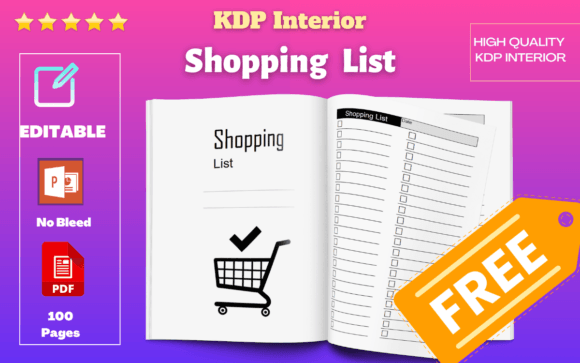
Imagine transforming a chaotic supermarket run into a streamlined, visually organized experience. A well-designed Shopping Planner and Shopping List is more than a simple note; it's a fundamental piece of editorial and functional design that brings clarity to a daily task. This printable planner, available in fully editable PowerPoint and ready-to-use PDF formats, serves as a perfect case study in practical graphic design. Its value lies in its ability to merge aesthetic appeal with supreme usability, demonstrating how thoughtful design directly improves user experience and efficiency in everyday life.
The Visual Design Principles Behind an Effective Planner
From a graphic design perspective, a functional planner like this is an exercise in visual hierarchy, typography, and clean layout. The 6"x9" size is a classic, user-friendly format that balances portability with sufficient writing space. The "no bleed" and "resized vector" specifications ensure professional print quality, whether produced at home or through a Print-on-Demand (POD) service. This attention to technical detail is crucial for any creative asset intended for commercial use, guaranteeing the final product meets industry standards.
The design's effectiveness hinges on several key elements:
- Typography: Clear, readable fonts are selected to guide the eye effortlessly from categories to item lists. Proper spacing and font pairing prevent visual clutter.
- Color Palette: A restrained, modern color scheme enhances readability and can be easily customized to align with personal or brand aesthetics if used in a commercial context.
- Layout & Composition: A logical grid system organizes information, creating a seamless flow from planning to shopping. Ample white space reduces cognitive load, making the list easy to scan quickly.
- Scalability: The vector-based design ensures that all graphic elements remain crisp and clear at any resolution, a non-negotiable for professional print design.
Practical Applications and Creative Extensions
While its primary function is personal organization, the underlying design template has versatile applications for creative professionals and entrepreneurs. Understanding its structure can inspire solutions across various design domains.
Branding and Marketing Collateral
This planner exemplifies how to create consistent branded materials. A business could adapt this template for a grocery delivery service, a meal-kit company, or a wellness brand, using it as a lead magnet or a value-added printable. The consistent use of logo design, brand colors, and typography across the planner reinforces brand identity and builds trust with the audience.
Digital Product and UI Design Inspiration
The clean, intuitive interface of the planner is a direct parallel to good UI/UX design. Its clear labels, categorized sections, and logical flow are principles that translate directly into designing effective mobile apps, web forms, and dashboard interfaces. For designers, deconstructing such a functional piece helps hone skills in creating user-centric digital experiences.
Packaging and Editorial Design
The organizational logic of a shopping list is similar to the information architecture needed in packaging design, where ingredients, instructions, and branding must coexist clearly. Similarly, its editorial layout—with its balance of text and space—offers lessons in creating readable and engaging magazine or blog layouts.
Choosing and Utilizing Design Assets Effectively
When selecting or creating design assets like this planner, professionals should evaluate them against specific criteria to ensure they add value to a project or workflow.
- Consistency: The asset should complement an existing brand system or project style. Check that its visual language aligns with the desired modern aesthetics or editorial tone.
- Readability & Accessibility: Beyond looking good, the design must function flawlessly. Test print layouts for clarity and ensure digital versions are accessible.
- Editability: For templates, the ability to customize colors, fonts, and layouts in a program like PowerPoint is invaluable for adapting the asset to specific needs without starting from scratch.
- File Integrity: Professional deliverables include multiple formats (editable source files and print-ready PDFs) to accommodate different stages of the design workflow, from conception to final production.
In the realm of creative projects, the most successful designs are those that solve a problem elegantly. A high-quality Shopping Planner and Shopping List does exactly this, turning a mundane task into an organized, even enjoyable, process. It underscores the power of thoughtful design choices—where every font, color, and margin decision contributes to a polished, professional result that enhances both communication and the user's daily experience. Investing in or creating such well-considered assets is a direct investment in design quality and functional beauty.