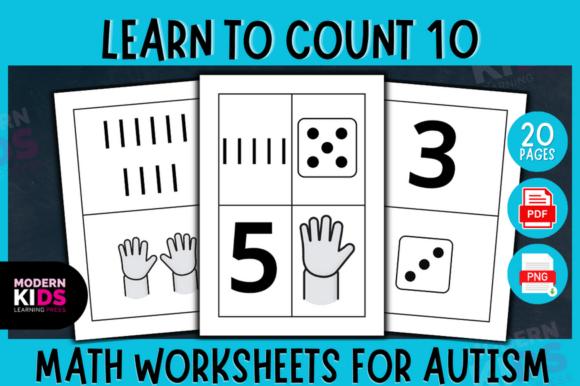
Learn to Count 10: Autism Worksheets for Effective Visual Design
In the realm of graphic design, the most impactful assets are those that combine aesthetic appeal with profound functional purpose. This principle is perfectly embodied in resources like Learn to Count 10 - Autism Worksheets, a specialized toolkit designed for educators and caregivers. From a design perspective, this collection is a masterclass in creating visuals that serve a critical communication goal, making it an invaluable case study for designers, marketers, and creators aiming to enhance their own projects with clarity, empathy, and engagement.
The Design Philosophy Behind Specialized Learning Assets
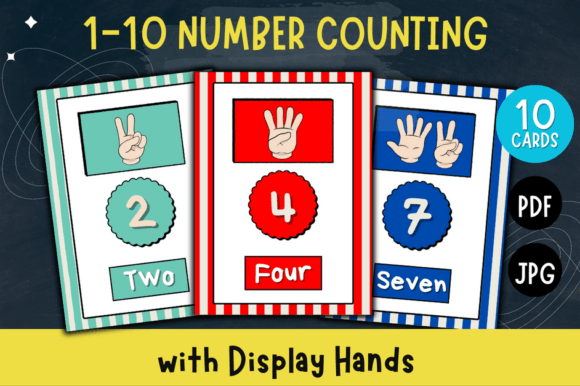
Effective visual communication is not one-size-fits-all. The Learn to Count 10 - Autism Worksheets exemplify a user-centric design approach, where every visual element is crafted to support a specific cognitive need. For designers, this highlights the importance of understanding your audience's requirements at a fundamental level. Whether you are developing a brand identity, marketing collateral, or UI design, the core lesson is that successful design solves problems and facilitates understanding, a principle that transcends the educational niche and applies to all creative projects.
Practical Applications for Creative Professionals
The principles used in these autism-specific math worksheets have direct applications across numerous design disciplines. The thoughtful use of visual hierarchy, clear typography, and structured layouts can be adapted to:
- Branding and Logo Design: Creating marks and identities that are immediately recognizable and communicate core values without ambiguity.
- Marketing Materials: Designing flyers, brochures, and ads that guide the viewer's eye logically and present information in digestible chunks.
- Social Media Graphics: Developing content that stops the scroll with clear messaging and a strong visual hierarchy, improving user engagement.
- Website and UI Design: Building interfaces that are intuitive and accessible, ensuring a positive user experience (UX) through predictable patterns and clean layouts.
- Packaging Design: Structuring information on physical products so that key details are found effortlessly, enhancing both function and shelf appeal.
Evaluating and Integrating Design Assets
When selecting any creative asset, including templates like the Learn to Count 10 set, a professional designer evaluates several key factors. Consistency in style ensures the asset aligns with a broader brand system. Readability and scalability are non-negotiable for both print design and digital applications. The provided 300 DPI PDF and high-quality PNG formats in this resource are a benchmark for professional deliverables, ensuring your work looks sharp across all mediums, from a classroom handout to a presentation slide.
Consider the workflow integration. Assets that are well-organized and come in versatile formats (like print-ready PDFs and editable PNGs for cutting machines) streamline the design process. This allows creators to focus on customization and strategic implementation rather than technical troubleshooting. It’s a reminder that the utility of a creative asset is as important as its visual style.
Enhancing Communication Through Thoughtful Visuals
Ultimately, the power of a resource like Learn to Count 10 - Autism Worksheets lies in its ability to bridge a communication gap through intentional design. The use of engaging exercises and supportive visuals demonstrates how color palette, composition, and imagery can be orchestrated to achieve a specific, positive outcome. For any designer or business owner, this underscores that investing in high-quality, purpose-driven creative assets is not an expense but an investment in clearer communication, stronger brand identity, and more effective user engagement. By prioritizing assets that are both beautiful and brilliantly functional, you elevate the quality and impact of every project you undertake.