Daily Meal Plan Design: A Practical Guide for Creatives
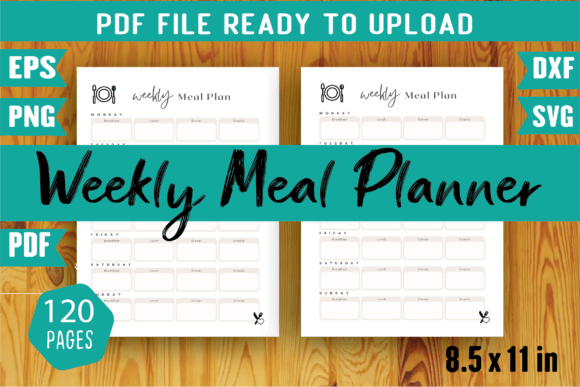
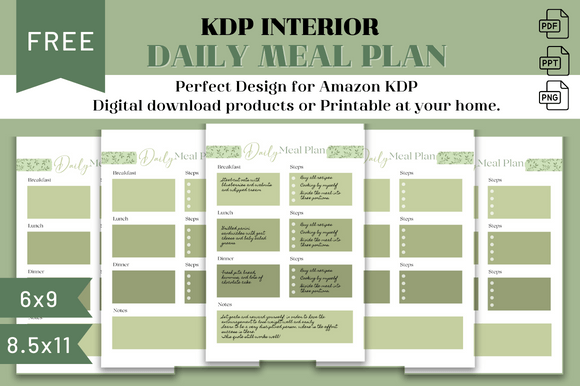
Transforming a simple organizational tool into a visually compelling and functional design asset is where modern graphic design truly shines, especially for products like a Daily Meal Plan. This versatile resource, available in digital and printable formats for KDP or home use, exemplifies how thoughtful design can elevate everyday tasks, blending practicality with strong visual communication.
In the realm of graphic design, a well-crafted Daily Meal Plan template is more than just a schedule. It's a microcosm of effective branding and user-centric design. The choice of typography, for instance, must balance readability with personality. A clean, sans-serif font ensures legibility for quick glances, while a complementary script accent can add a touch of warmth, directly impacting the user's experience and emotional connection to the tool.
Practical Applications in Design Projects
The utility of a structured, beautifully designed meal plan extends far beyond personal use. For designers and creators, it serves as a foundational element in various projects:
- Brand Identity & Marketing: A fitness coach or nutritionist can use a branded meal plan as a lead magnet, reinforcing their visual identity through consistent color palettes and logo placement.
- Digital Products & KDP Publishing: High-quality, print-ready designs in formats like PDF, PNG, and PPTX are essential for creating sellable digital planners and journals on platforms like Amazon KDP.
- Editorial & Content Design: Food bloggers and wellness magazines can integrate meal plan graphics into their layouts, using them as engaging infographics that guide readers and enhance visual hierarchy.
Key Design Considerations for Maximum Impact
Selecting or creating an effective Daily Meal Plan requires attention to core graphic design principles. The visual hierarchy must guide the eye naturally from the day's header to each meal slot. A harmonious color palette can categorize food groups or simply create an inviting aesthetic, directly influencing user engagement. Furthermore, scalability is crucial; the design must remain crisp and functional whether viewed on a mobile screen or printed as an 8.5x11 inch sheet.
Consistency across all pages builds a sense of professionalism and trust, a key component of strong brand identity. When evaluating a design, consider its compatibility with other brand assets. Does the typography pair well with your primary logo font? Does the color scheme align with your established brand palette? These details ensure the meal plan feels like a cohesive part of a larger creative project or product line.
Integrating into Your Creative Workflow
For designers, marketers, and business owners, incorporating such templates into your workflow can streamline content creation. A pre-designed meal plan template can be adapted for social media graphics, client handouts, or website downloads, saving valuable time while maintaining a high standard of visual design. The key is to treat it as a flexible creative asset, not a rigid document. Adjust the imagery, tweak the color accents, or reformat the layout to perfectly suit the specific project's goals and audience expectations.
Ultimately, the power of a resource like the Daily Meal Plan lies in its dual nature. It is a tool of organization and a piece of visual communication. By applying principles of modern aesthetics, clear typography, and intentional composition, designers can create assets that are not only useful but also beautiful, enhancing the user's daily routine while strengthening a brand's visual language. Thoughtful design choices turn a simple planner into an experience, proving that even the most functional elements deserve a polished and professional presentation.